


2-Piece vs 3-Piece Suit: The Complete Guide for Men (2026)
Choosing between a 2-piece and a 3-piece suit seems simple - vest or no vest - but the decision shapes how formal you look, how comfortable you feel, and how versatile your wardrobe becomes. This guide breaks down the 2-piece vs 3-piece debate in plain terms, using real-world scenarios, 2026 style cues, and practical tailoring insight. You'll understand the difference between 2-piece and 3-piece silhouettes, when each makes sense, and how to buy confidently on any timeline. Drawing on our 15+ years outfitting formal events worldwide, we'll help you dress with intention, whether you're heading to a wedding, an interview, or a gala.
Table of Contents
- What Exactly Is a 2-Piece and a 3-Piece Suit?
- Key Differences That Matter in 2026
- When to Wear Each: Occasions, Body Types, and Etiquette
- Style and Construction: Lapels, Buttons, Fabrics, and Color
- Fit, Tailoring, and Buying Smart on a Deadline
- FAQs: 2-Piece vs 3-Piece Suit: The Complete Guide for Men (2026)
- The Bottom Line
What Exactly Is a 2-Piece and a 3-Piece Suit?
A 2-piece suit pairs a tailored jacket with matching trousers. It's the global default for business, semi-formal weddings, and dressy evenings because it balances polish with ease. You can dress it up with a tie and pocket square or relax it with an open collar. In the 2-piece vs 3-piece conversation, the 2-piece wins on versatility, travel-friendliness, and comfort across seasons. It's also simpler to tailor quickly, a critical advantage if your event is coming up fast or you're buying off the rack and need dependable results.
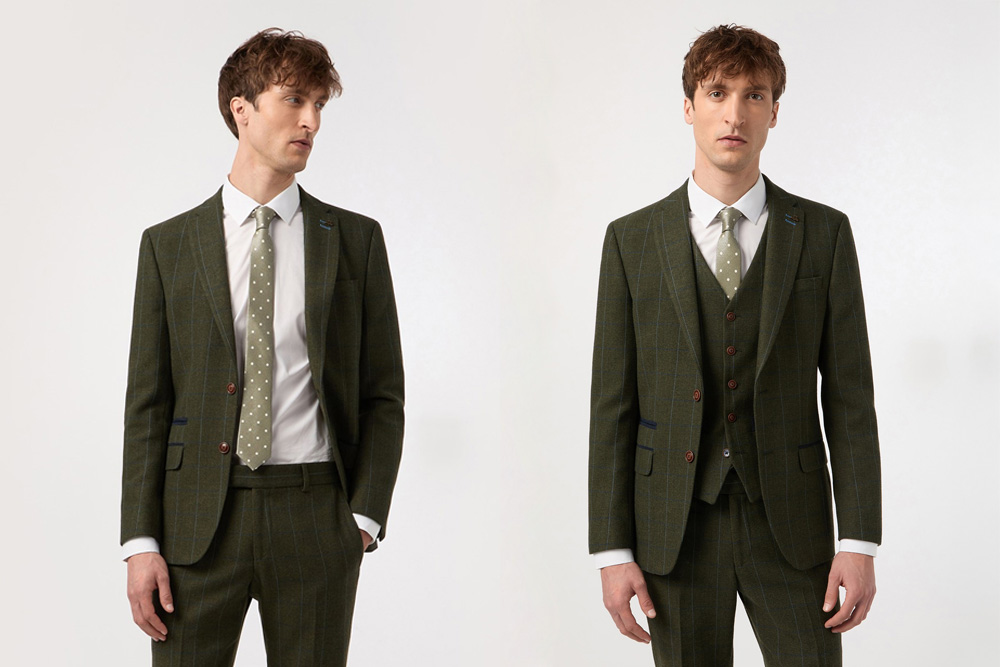
A 3-piece suit adds a matching waistcoat (vest) under the jacket, creating a layered, uninterrupted line from shoulder to hem. If you've asked "what is a 3 piece suit" in practical terms, think of it as the sharpest version of the suit: more formal, more structured, and visually slimmer when tailored well. The vest stabilizes the shirt, conceals the waistband, and keeps your look intact if you remove the jacket. It's ideal for formal daytime weddings, black-tie-optional events, or whenever you want a crafted, old-world elegance that still reads modern.
Key Differences That Matter in 2026
While both are classics, their performance differs by climate, dress code, and how often you'll wear the pieces separately. A 2-piece offers unmatched mix-and-match potential - pair the jacket with dark denim, or the trousers with knitwear - making it a smart investment if you're building a minimal wardrobe. A 3-piece leans ceremonial and photograph-ready, especially in structured wool or flannel with a clean, mid-rise trouser. In 2026, lower button stances and soft shoulders are trending for both, but the 3-piece particularly benefits from a vest that sits close without pulling.
- Formality: 3-piece > 2-piece for ceremonies and dress codes.
- Comfort: 2-piece stays cooler; 3-piece runs warmer.
- Versatility: 2-piece separates excel for repeat wears.
- Tailoring: 3-piece demands precise vest fit through chest and waist.
Beyond aesthetics, think budget and timing. The 3-piece often costs more and may require a touch more tailoring - especially if your torso or drop (chest-to-waist difference) is pronounced. Brands with trusted manufacturing and fair pricing can bridge that gap. As an established formalwear retailer since 2007, we scrutinize craftsmanship details - like canvassing, lining breathability, and seam strength - so you can focus on the right silhouette, not surprise alterations.
When to Wear Each: Occasions, Body Types, and Etiquette
If you're wondering "should I wear a 3 piece suit" to a wedding, the answer depends on the vibe. Daytime or black-tie-optional ceremonies, historic venues, and winter dates all favor the 3-piece. It photographs beautifully, keeps your shirt crisp during long receptions, and signals elevated intent. For interviews, client meetings, or summer events, a 2-piece often reads more modern and comfortable - especially with lightweight wool or a high-twist fabric that breathes under pressure.
Body type matters too. A well-cut vest can visually slim the midsection and sharpen your V-shaped torso. However, very tall or very warm-blooded wearers may find a 2-piece more practical. And if the dress code says cocktail or smart-casual, the 2-piece gives you room to dress down without missing the mark. Yes, "does anyone wear 3 piece suits anymore?" Absolutely - when the room calls for polish that stands out for the right reasons.
Skip the 3-piece when:
- The venue is outdoors in high heat or humidity.
- The dress code leans business-casual or creative-casual.
- You plan to go tieless and want a relaxed collar roll.
- You need maximal range of motion for travel-heavy days.
Style and Construction: Lapels, Buttons, Fabrics, and Color
Button stance shapes your torso lines. A 2-button jacket is the modern standard - clean, elongating, and easy to wear with or without a vest. If you're browsing, explore classic 2 button suits to compare profiles and see how button count interacts with lapel shape. Peak lapels amplify formality on both 2- and 3-piece suits, while notch lapels keep things business-friendly. In 2026, slightly wider lapels and soft shoulders deliver presence without stiffness, and a mid-rise trouser creates a seamless line under a vest.

Fabric governs comfort and drape. Year-round tropical wool, high-twist wool, and breathable blends support long wear; flannel or tweed turns a 3-piece into winter armor. Navy and charcoal remain the most versatile, while mid-grey or deep brown can feel tailored-yet-approachable. For a deeper dive into cloth types and performance, see this overview of suiting fabrics: Tissura suiting fabrics.
Fit, Tailoring, and Buying Smart on a Deadline
Great tailoring trumps trends. For 2-piece suits, prioritize shoulder alignment, a clean chest, and trousers that skim the shoe with a modest break. For 3-piece suits, the vest must lie flat at the chest and close without strain; the hem should meet the trouser waistband to hide shirt billow. If you're buying close to your event, focus on alterations with the biggest visual payoff and the fastest turnaround, then refine the rest later. For a quick visual primer on suit fit, review this guide: good-fitted suit visual.
If you're on a tight clock, use this quick plan:
- Lock shoulder fit and jacket length; they're hardest to alter.
- Hem trousers and taper subtly for a clean fall.
- Dial the vest side tabs or darts for a flat front.
- Steam, not press, before the event to preserve shape.
We built our reputation on premium craftsmanship, fair pricing, and fast shipping support, so last-minute shoppers can still look composed. When in doubt, a cleanly tailored 2-piece beats an over-tight 3-piece every time.
FAQs: 2-Piece vs 3-Piece Suit: The Complete Guide for Men (2026)
What is a 3 piece suit, exactly, and how should the vest fit?
A 3 piece suit includes a matching jacket, trousers, and waistcoat (vest). The vest should close comfortably without gaping or pulling, with the V opening ending near your sternum so a tie sits neatly. Its hem should meet or slightly overlap the trouser waistband to hide your shirt and belt line. The armholes must feel high enough for mobility without excess fabric. When the vest is dialed in, it sharpens your torso line, keeps your shirt tidy if you remove the jacket, and adds a formal, period-informed polish.
What's the main difference between 2 piece and 3 piece suits in real life?
Functionally, the 3 piece adds a vest that increases formality, structure, and warmth. A 2 piece wins on versatility, cost, and comfort across climates. If you often separate your jacket and trousers for smart-casual looks, the 2 piece stretches your wardrobe. If your priority is ceremony, photos, and a consistently sharp midsection, the 3 piece shines. Tailoring matters more with the 3 piece: the vest needs a close fit through the chest and waist, and the trousers should sit high enough to create a seamless line under the vest.
Should I wear a 3 piece suit to a wedding or interview in 2026?
For formal or black-tie-optional weddings, a 3 piece looks intentional and photographs beautifully–especially in navy, charcoal, or seasonal flannel. For interviews, most industries still prefer a crisp 2 piece with a restrained tie; it reads competent without feeling overdressed. Consider venue, climate, and culture. Summer outdoor ceremonies often favor a breathable 2 piece, while winter city weddings welcome a 3 piece. If you're unsure, ask the host or HR contact about dress expectations and choose the option that keeps you comfortable for several hours.
Does anyone wear 3 piece suits anymore, or is it outdated?
Yes–3 piece suits remain relevant and stylish, particularly for weddings, galas, legal or finance settings, and heritage-inspired events. In 2026, modern cuts (slightly wider lapels, soft shoulders, cleaner waist suppression) keep them current. The key is fit and fabric: breathable wools and high-twist yarns prevent the vest from feeling heavy, while precise tailoring avoids the costume effect. If your personal style skews classic or you want to stand out in photos without loud colors, a toned, well-fitted 3 piece is a timeless move.
When should you not wear a 3 piece suit?
Avoid the 3 piece in extreme heat or high humidity, casual workplaces, and settings where you'll be highly active or carrying gear. The extra layer adds warmth and can restrict movement if the vest is tight. If a dress code reads business-casual, cocktail, or creative-casual, a sharp 2 piece with a breathable shirt and thoughtful accessories will feel more at home. Similarly, when time or budget limits precise vest alterations, a well-tailored 2 piece will look cleaner and more comfortable under pressure.
The Bottom Line
A 2-piece suit is your everyday workhorse; a 3-piece is your ceremony-grade upgrade. Choose by climate, dress code, and how often you'll reuse each piece, and invest in tailoring where it counts. With long-standing expertise in formal fashion, trusted global manufacturing partners, and customer-first service, we champion suits that balance elegance and comfort at fair prices. If you're starting with core staples, browse classic 2-button options and build from there; when the occasion calls for it, add the vest for instant elevation and lasting confidence.