


Dress Shirt Cuffs: The Definitive Guide to Types, Formality, and When to Wear Each
When a dress shirt looks "right," it’s rarely an accident–the cuff frames your watch, sets sleeve length, and signals formality at a glance. Mastering the types of dress shirt cuffs helps you choose the perfect option for black-tie, boardrooms, or weekends. This guide breaks down core dress shirt cuff types, explains formal vs casual cuffs, and shows how to style each with precision.
Table of Contents
- Why Cuffs Matter: Form, Function, and Formality
- The Main Dress Shirt Cuff Types
- Formality Spectrum: Formal vs Casual Cuffs, and What to Signal
- Fit, Proportion, and Sleeve Length: How the Right Cuff Sits
- Styling and Accessorizing: Links, Knots, and Button Hardware
- Care and Longevity: Pressing, Laundering, and Travel
- FAQs: Dress Shirt Cuffs: The Definitive Guide to Types, Formality, and When to Wear Each
- Bringing It All Together
Drawing on over 15 years in formal fashion, FormalDressShops.com brings the same craftsmanship-first approach we apply to gowns and eveningwear to men’s shirting standards. Expect clear definitions, practical fit tips, and confident, event-ready recommendations designed to make every shirt look tailored–even when it isn’t.
Why Cuffs Matter: Form, Function, and Formality
Cuffs do more than close a sleeve. Their shape and hardware determine how a shirt interacts with jackets, watches, and ties, and how crisp your silhouette reads from across the room. Wider or stiffer cuffs push a blazer sleeve elegantly; softer cuffs relax the line for casual settings. On-camera or in evening light, the final half-inch of cuff is the difference between polished and unfinished.
Functionally, cuff construction controls durability and comfort. Interlinings affect how well cuffs keep a crease, while button positions manage watch clearance. Understanding these details ensures your shirt feels as good as it looks. Seen through a formality lens, cuff choices communicate dress code fluency: the right cuff earns instant credibility, whether you’re closing a deal or stepping into a gala.
The Main Dress Shirt Cuff Types
Most shirt cuff styles fall into four clear families. The everyday "barrel cuff" uses one or two buttons and sits close to the wrist. Its clean profile works for business, smart casual, and travel. A two-button barrel cuff reads slightly dressier and gives extra adjustability, especially helpful for watch wearers.

At the formal end, the French (double) cuff is longer and folds back on itself, closing with cufflinks. It’s the gold standard for black-tie, weddings, and high-stakes presentations because it displays fine hardware and holds a strong crease under tailoring. If you’re curating a refined rotation, start with classic white or pale blue French cuff shirts and add subtle patterns as your wardrobe matures.
The traditional "single cuff" also uses cufflinks but does not fold back. Favored in British tailoring and morning dress, it’s rare in the U.S. yet exceptionally elegant. A "convertible cuff" bridges worlds: it has both buttonholes and space for links, so you can choose buttons for weekday ease and cufflinks for evening polish. Memorize these cuff names, and you’ll navigate dress codes with confidence. For a deeper dive into shapes and history, see Permanent Style’s overview: The guide to shirt cuffs.
Formality Spectrum: Formal vs Casual Cuffs, and What to Signal
Think of cuff choice as a hierarchy. French cuffs are most formal due to the doubled fabric, sharper edges, and visible cufflinks–perfect under tuxedos and peak lapels. Barrel cuffs remain the global standard for office wear because they’re sleek, reliable, and compatible with any sport coat or suit. Single cuffs are ultra-formal but niche in the U.S., shining in ceremonial contexts. Convertible cuffs sit between, offering flexibility without owning multiple shirts.
Fabric and pattern deepen the signal. Crisp poplin with a French cuff creates a sharp, reflective edge at the wrist; textured twill or oxford softens a barrel cuff for business casual. Pairing matters too: a spread collar and French cuff communicates evening elegance, while a button-down collar and barrel cuff leans relaxed.
- Black-tie and galas: French (double) cuff with understated links
- Weddings and formal business: French or two-button barrel cuff
- Corporate daily wear: One- or two-button barrel cuff
- Business casual and smart casual: Barrel cuff in oxford or twill
- Travel and weekend: Barrel cuff with softer interlining
Fit, Proportion, and Sleeve Length: How the Right Cuff Sits
Great cuffs start with proportion. Aim for 0.25–0.5 inches of shirt cuff to show beyond your jacket sleeve, enough to frame the hand without looking fussy. The cuff should hug the wrist so it doesn’t slide over the heel of your hand when you reach forward. That close fit keeps sleeves from bunching inside a jacket and preserves a neat line from shoulder to knuckle.
Watch wearers need thoughtful tolerance. A two-button barrel cuff lets you choose a looser setting for a sport watch and a tighter one for dressier days. With French cuffs, select a smaller link profile if you wear a larger watch to prevent crowding. Quality interlining helps cuffs keep shape through the day; if your cuffs collapse or flare, the shirt reads tired even when freshly pressed. For a full fit checklist beyond cuffs, see: How a men’s dress shirt should fit.
- Cuff should not pass the base of your thumb when arms hang naturally
- Target 0.25–0.5 inches of cuff visible beyond the jacket sleeve
- Two-button barrel provides helpful adjustability for watches
- Cuffs must close snugly without pinching; adjust sleeve length, not cuff size
Styling and Accessorizing: Links, Knots, and Button Hardware
Hardware is the punctuation mark of cuff style. With French cuffs, choose low-profile torpedo or fixed-back cufflinks for a sleek, reliable closure that won’t twist under a jacket. Tuxedo settings benefit from onyx or mother-of-pearl to coordinate with studs; for daytime business, brushed silver or understated enamel feels modern and confident. Silk knots are a lightweight, travel-friendly option that keeps the fold streamlined.
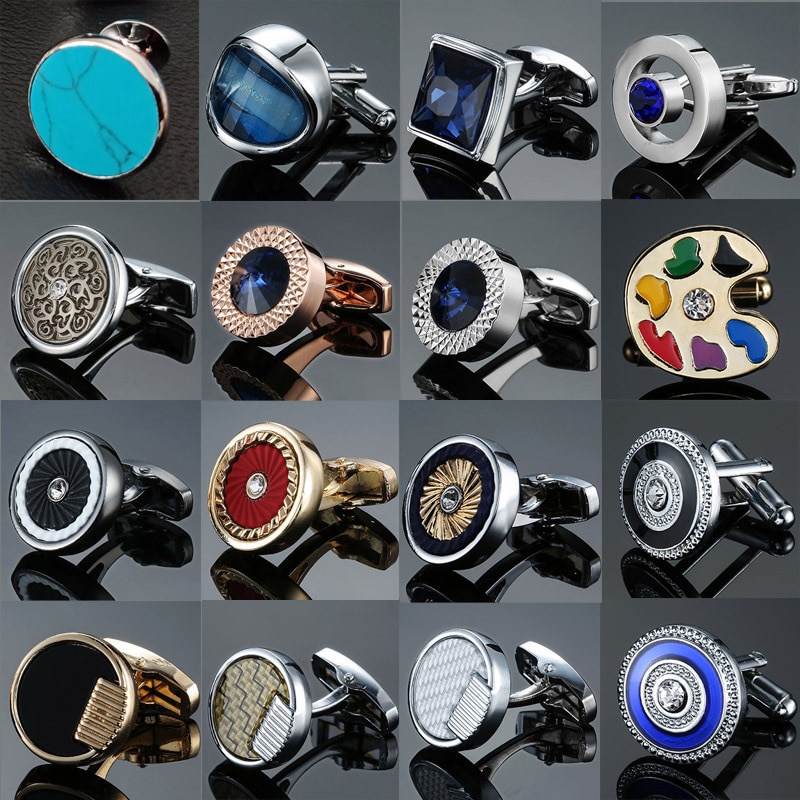
Barrel cuffs reward restraint. Mother-of-pearl or tonal resin buttons look elevated and photograph well. If you own convertible cuffs, keep a pair of simple links in your briefcase so you can jump from desk to dinner without changing shirts. As with premium formal dresses, small finishing details telegraph craftsmanship–proof that timeless style and smart design outperform fast fashion every time.
Care and Longevity: Pressing, Laundering, and Travel
Cuffs absorb friction from desks and keyboards, so thoughtful care preserves structure. Wash shirts on gentle cycles, unbutton cuffs, and avoid overloading the drum, which crushes edges. Moderate starch can help French cuffs hold a crease, but too much creates shine and accelerates wear. When ironing, press from the button side outward to avoid puckers, and keep heat matched to fabric (cooler for delicate blends, hotter for 100% cotton). For step-by-step care advice, see: How to take care of dress shirts.
For travel, fold sleeves flat with cuffs aligned and place them at the top of your stack to reduce compression. A garment bag or packing folder maintains crisp edges. If a dry cleaner over-starches or leaves sheen, request light finish and low-temperature pressing–precise instructions keep interlinings responsive and cuffs sharp.
- Avoid over-starching; it causes shine and shortens fabric life
- Don’t iron over cufflinks or buttons; press around hardware
- Skip high-heat dryers; they warp interlinings and shrink sleeves
- Keep cuffs unbuttoned in the wash to reduce stress on stitching
FAQs: Dress Shirt Cuffs: The Definitive Guide to Types, Formality, and When to Wear Each
What are the main types of dress shirt cuffs and which is most formal?
The core cuff types are barrel, French (double), single, and convertible. Barrel cuffs use buttons and suit everyday office and smart casual wear. French cuffs fold back and fasten with cufflinks, making them the most formal and ideal for black-tie, weddings, and high-visibility events. Single cuffs also use links but do not fold; they’re traditional and highly formal, though less common in the U.S. Convertible cuffs accept both buttons and links, offering flexibility when your day moves from work to evening.
Are French cuffs the same as double cuffs?
Yes. "French cuff" and "double cuff" describe the same design: an extended cuff that’s folded back on itself and secured with cufflinks rather than buttons. The doubled fabric creates a crisp, architectural edge that reads dressy under tailored jackets. Because the cuff is longer and interlined, it holds a sharper crease and displays cufflinks cleanly, which is why it’s preferred for black-tie and other elevated dress codes. In short: double = folded back; French = the style’s common name.
Can I wear cufflinks with a barrel cuff?
Standard barrel cuffs are designed for buttons, not links. However, some shirts feature "convertible cuffs," which look like barrel cuffs but include an extra buttonhole so you can use cufflinks when desired. If you want everyday simplicity with the option to elevate for dinners or events, convertible cuffs are an efficient choice. For the best look with links, French cuffs remain superior because the fold showcases the hardware, keeps the sleeve edge crisp, and stays aligned under a jacket.
How should a cuff fit if I wear a watch?
Choose cuffs that close snugly on the non-watch wrist and allow a touch more room on the watch side. A two-button barrel cuff gives you quick adjustability for different watch sizes. With French cuffs, select slimmer cufflinks to minimize bulk and ensure your jacket sleeve still glides over the wrist. As a rule, the cuff shouldn’t ride over the heel of your hand when you reach forward, and you still want 0.25–0.5 inches of cuff visible beyond the jacket.
Which cuff is best for business casual?
A single-button or two-button barrel cuff in oxford or twill fabric is the most versatile for business casual. It reads polished without the ceremony of cufflinks and pairs well with unstructured blazers or knit ties. If your office leans dressier or you attend client dinners, a convertible cuff adds flexibility: wear buttons at your desk, then swap in simple cufflinks after hours. French cuffs can work on dress-down Fridays only when balanced by subtle links and relaxed tailoring.
Bringing It All Together
Choosing between barrel, convertible, single, and French cuffs is less about rules and more about communicating intent. Once you grasp how cuff structure, fabric, and hardware signal formality, you can dress with precision every day. Start with versatile barrel cuffs for work, add convertible for day-to-night range, and anchor your formal rotation with well-made French cuffs that frame cufflinks beautifully.
At FormalDressShops.com, we’ve built our reputation on premium craftsmanship, fair pricing, and exceptional service–values that extend to every formal detail. When you’re ready to elevate evening looks, explore high-quality French cuff shirts in crisp poplins and refined twills, then finish the look with understated links. With the right cuff, your shirt does more than fit–it speaks fluently.