|
Cotton, wool, linen, and silk are all natural fibers. Microfibers, polyester, and rayon are all manufactured fibers. Almost all natural fabrics allow your body to "breathe". When your body can breathe, perspiration is not retained and you feel dry, clean and odor free. The manufactured fibers and microfibers are not as breathable and tend to trap body heat, perspiration and odors.
Natural Fibers:
COTTON:
Cotton comes from a plant and cotton's characteristics are comfortable, soft, absorbent, and retains color well. Machine-washable, dry-cleanable, and good strength. Drapes well, easy to handle and sew.
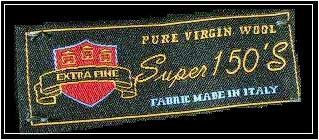 WOOL: WOOL:
Wool is a natural animal fiber made from the fleece of sheep. Wool is comfortable, luxurious, soft to the hand, and versatile. Wool is lightweight and a good insulator. Wool is wrinkle-resistant and absorbent, thus easy to dye, however most wool is dry clean only.
LINEN:
Linen is made from flax, a vegetable fiber. Linen is comfortable, has good strength, and is twice as strong as cotton. Hand-washable or dry-cleanable. Lightweight to heavyweight; no static or pilling problems.
SILK:
Silk is a natural animal fiber created by the silk worm. Silk is soft and luxurious, drapes and tailors well. Silk is the thinnest of all natural fibers but dyes and prints the best. Hand-washable or dry-cleanable. Little problem with static nor pilling however, only fair abrasion resistance. Silk has a poor resistance to prolonged exposure to sunlight.
Manufactured Fibers:
MICROFIBERS:
Microfiber is a manufactured fiber available in acrylic, nylon, polyester and rayon. Microfibers characteristics are ultra fine, finer than the most delicate silk. Extremely drape able, very soft, luxurious with a silken or suede touch. Washable, dry cleanable and shrink-resistant. High strength (except Rayon). Excellent pleat retention. Insulates well against wind, rain and cold. Microfiber is not really not a fiber unto itself. Rather, it refers to an ultra-fine fiber, which can be woven or knit into a very high quality fabric construction. It originates as a polyester microfiber and there have been new developments in nylon microfibers that have become important in rayon microfibers, and acrylic microfibers. One of the important characteristics of microfiber fabrics is that they can be woven so tightly that the fabric cannot be penetrated by wind, rain, or cold. Microfibers also have a wicking ability, which allows perspiration to pass through the fabric. Microfibers are generally comfortable in contact with skin.
POLYESTER:
Polyester is also a manufactured fiber. Polyester's characteristics are strong, crisp, and soft to the hand. Resistant to stretching and shrinkage. Washable or dry-cleanable. Quick drying, resilient, wrinkle resistant and excellent pleat retention (if heat set). Abrasion resistant and resistant to most chemicals. Because of its low absorbency, stain removal can be a problem, on top of that, static and pilling problems could also happen. Of all the manufactured fibers, polyester is the most used. Polyester is the best wash-and-use fiber. Unfortunately, because of the over-saturation of polyester 20 to 30 years ago, some consumers maintain a negative perception about the fiber. But, that is changing. As with the other manufactured fibers, new developments in polyester have created a new attitude towards manufactured fibers. This is true, not only for manufacturers and designers, but also for consumers. In addition, when polyester is blended with other dry-clean only fibers, like wool, acetate, or rayon, the durability of the blended fabric improves and, in some cases, the fabrics can even be made washable, if the percentage of polyester is high enough.
RAYON (VISCOSE):
Rayon is a manufactured fiber based from wood pulp. Rayon is soft and comfortable, drapes well and is highly absorbent. Dyes and prints well with no static or pilling problems. Fabric can shrink appreciably if washing dry-clean-only rayon. One of the major characteristics of rayon, also called viscose, centers around the care of the fabric. For those of you who have been around rayon a lot, you know that there are both washable and "dry clean only" rayon. Why are there both washable and non-washable rayons? Originally rayon was a "dry clean only" fiber. However, the fiber producers discovered that they could create wash ability in rayon by putting certain finishes on the surface of the fabric after it was knitted or woven. But this also added to the price. So, today many rayons in the marketplace remain untreated, and are therefore "dry clean only."
|